
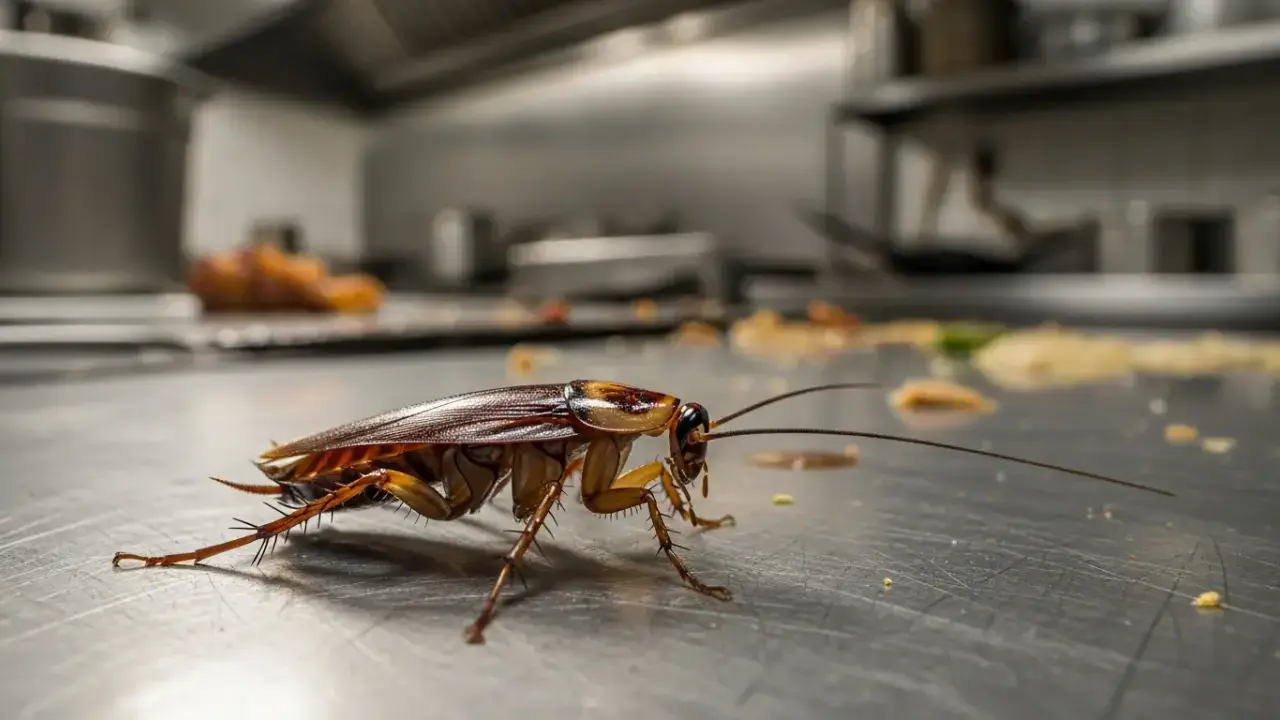
Insect Control
Professional insect control for businesses and homes across the North East. NPTA member, species-specific treatments for all crawling and flying insects.
Why You Need Professional Insect Control
Insect infestations are one of the most common pest issues facing businesses and homeowners in the North East. From cockroaches and flies contaminating commercial kitchens to bed bugs in hospitality premises, moths damaging textiles, and wasps posing a sting risk, every insect species demands a targeted treatment approach. Our NPTA-qualified technicians provide fast, effective insect control that goes beyond surface spraying. We identify the species, locate harbourage areas, apply the correct treatment, and put prevention measures in place to stop the problem returning.
Our Services
Why acting quickly matters
Many insect species breed rapidly in warm indoor environments, with populations capable of doubling within days under the right conditions. Every day without professional treatment allows numbers to grow, increases contamination risk, and makes the problem harder to resolve. In commercial settings, an untreated insect problem can lead to failed audits, enforcement action, and reputational damage.
Need urgent insect control?
Same-day emergency response for wasp nests, cockroach outbreaks, and other urgent insect problems across the North East.
Request a free call back
Prefer to get in touch another way? Contact us or email info@wynyardpestcontrol.co.uk
Threat Assessment
Nuisance:
8/10VERY HIGHInsects cause persistent disruption across commercial and residential properties. Crawling insects contaminate food preparation surfaces, stored goods, and packaging. Flying insects are a constant nuisance in kitchens, restaurants, and food production areas. Bed bugs cause distress and reputational damage in hospitality settings. Moths and carpet beetles destroy textiles, clothing, and furnishings. Wasps and hornets present a sting risk to staff, customers, and residents.
Hazard:
8/10VERY HIGHCockroaches carry Salmonella, E. coli, and dysentery organisms on their bodies and in their droppings. Flies transmit over 100 pathogens including Campylobacter and Listeria. Bed bugs cause allergic reactions and psychological distress. Stinging insects pose anaphylaxis risk to sensitised individuals. Food businesses, hospitality venues, and healthcare facilities risk breaching the Food Safety Regulations 1995 and the Health and Safety at Work Act 1974.
Vital Statistics
| Common pest insect groups | Crawling, flying, stinging, stored product, textile |
| Reproduction rate | Rapid, with many species producing multiple generations per year |
| Common harbourage areas | Cracks, voids, drains, stored goods, fabrics |
| Key legislation | Food Safety Regulations 1995, Health and Safety at Work Act 1974 |
| Treatment approach | Species-specific, integrated pest management |
| Activity pattern | Year-round indoors, seasonal peaks for some species |
Key Facts
- Cockroaches and flies carry disease-causing organisms including Salmonella, E. coli, Campylobacter, and Listeria, contaminating surfaces and food through contact, droppings, and regurgitation.
- Insect infestations at food businesses, hospitality venues, and healthcare facilities can result in failed audits, enforcement notices, closure orders, and lasting reputational damage.
- Stinging insects such as wasps and hornets pose a serious anaphylaxis risk to sensitised individuals, particularly in workplaces and public-facing premises.
- Stored product insects and textile pests cause significant financial losses by contaminating food stocks, damaging fabrics, and destroying archived materials.
- Correct species identification is essential before treatment. Different insect species require completely different treatment methods, and incorrect identification leads to failed treatments and wasted cost.
- Many insect species breed rapidly in heated indoor environments. A small problem left untreated can become an established infestation within days, not weeks.
- Effective insect control uses an integrated approach combining targeted treatments, environmental management, and proofing measures to deliver lasting results rather than temporary knockdown.
- The Food Safety Regulations 1995 require food premises to prevent pest contamination. The Health and Safety at Work Act 1974 places a duty on employers to maintain a safe, pest-free working environment.
"Excellent service"
Jonathan Kidd · Google review, April 2026
Need help with an insect problem?
Free survey and quotation for businesses and homeowners. Same-day response across the North East.
Why Insect Control Matters
Insect pests are responsible for transmitting a wide range of diseases to humans, including Salmonella, E. coli, Campylobacter, and Listeria. In food premises, a confirmed insect sighting during an EHO inspection can trigger enforcement action.
Insect pests affect businesses and homes across the North East throughout the year. From cockroaches and flies in commercial kitchens to bed bugs in hospitality and moths in textile storage, every species brings its own risks. Health hazards, stock contamination, structural damage, and failed audits are all potential consequences of an untreated insect problem.
Beyond the direct health risks, insects cause significant financial losses. Stored product pests contaminate food stocks and raw materials. Textile pests destroy clothing, carpets, and archived documents. Stinging insects create health and safety liabilities in workplaces and public-facing premises.
For businesses, an insect problem can result in failed audits, regulatory action, and reputational damage. Food businesses, hospitality venues, and healthcare facilities face particularly high compliance risk under the Food Safety Regulations 1995 and the Health and Safety at Work Act 1974.
Our Approach to Insect Management
Every insect control job follows a three-stage process: survey, treatment, and prevention. Correct species identification at the survey stage determines the entire treatment strategy.
We treat every insect problem as a three-stage process: survey, treatment, and prevention. A thorough initial survey identifies the species involved, the scale of the infestation, and all harbourage areas. Treatment is then tailored to the species and environment, using a combination of professional-grade insecticides, gel baits, heat treatments, monitoring systems, and environmental management.
Different species require fundamentally different approaches. Bed bugs need targeted residual treatments applied to harbourage points. Cockroaches respond best to gel bait programmes that eliminate the colony at source. Wasp nests require direct nest treatment. Stored product insects demand thorough stock inspection and fumigation. Off-the-shelf sprays rarely reach the source of the problem and can scatter insects to new areas.
For commercial clients, we provide full documentation including treatment reports, risk assessments, and recommendations that satisfy BRC, SALSA, and EHO audit requirements. Domestic customers receive clear preparation guidance before treatment and follow-up advice to prevent recurrence.
Signs of an Insect Problem
Many insect infestations go unnoticed until well established because key species are nocturnal or hide in cracks, voids, and concealed spaces during the day.
Recognising the signs of insect activity early allows for faster, more cost-effective treatment before populations become established. The key indicators to look for include:
- Live or dead insects: Finding insects in unusual numbers, particularly around food areas, bedding, or stored goods. Many species are nocturnal, so daytime sightings often indicate a larger hidden population.
- Droppings and frass: Small dark specks near harbourage areas, in drawers, along skirting boards, or on shelving. Different species leave distinct evidence.
- Damage to materials: Holes in fabrics, packaging, or stored food. Irregular holes in textiles, carpets, or paper products may indicate moth, fabric pest, beetle, or silverfish activity.
- Shed skins and egg cases: Many insects moult as they grow, leaving cast skins near hiding places. Egg cases in cracks, behind furniture, or in storage areas confirm breeding activity.
- Unusual smells: Some species produce distinctive odours in areas with established activity. If you notice an unusual persistent smell near harbourage areas, it may indicate an insect infestation.
- Bites or skin reactions: Unexplained bites, particularly after sleeping, may indicate bed bugs, fleas, ticks, or mites.
Different insect species leave distinct evidence. For detailed identification guides and species-specific signs, see our individual service pages including cockroach control, bed bug control, flea and mite control, and moth control. If you are unsure what you are dealing with, send us a photograph or collect a sample and our technicians will identify the species.
When Are Insect Problems Most Common?
While outdoor insect activity peaks in summer, many indoor species such as cockroaches, bed bugs, and stored product pests remain active year-round in heated premises.
Insect activity follows different seasonal patterns depending on the species and environment. Understanding when problems are most likely helps businesses and homeowners take preventative action at the right time.
Across the North East, wasp and hornet call-outs peak between June and October, with nest removal most urgent during late summer when colonies reach maximum size. Ant activity increases from spring through summer as colonies expand and foraging trails extend into buildings. Fly problems intensify in warmer months, particularly in food premises and agricultural settings.
However, many of the most damaging insect pests are active year-round in heated indoor environments. Cockroaches, bed bugs, and stored product insects thrive in constant warmth and show no seasonal decline indoors. Moth and carpet beetle damage often becomes apparent in spring but the larvae may have been feeding undetected for months.
For detailed seasonal activity calendars and species-specific guidance, see our individual service pages. Businesses in Darlington, Durham, Middlesbrough, and across the North East can arrange preventative monitoring programmes to catch problems early.
Legislation and Legal Duties
The Food Safety Regulations 1995 require food businesses to prevent pest contamination. A confirmed insect sighting during an EHO inspection can result in enforcement action, improvement notices, or closure.
Business owners and premises managers have legal obligations to prevent and control insect infestations. The key legislation affecting insect control includes:
- Food Safety Regulations 1995: Food businesses must prevent contamination from pests. An insect sighting during an Environmental Health inspection can result in enforcement action, improvement notices, or closure.
- Health and Safety at Work Act 1974: Employers must ensure the workplace is safe and free from health hazards, including pest contamination and sting risk from wasps or hornets.
- COSHH Regulations: Professional insecticide use must follow strict handling, storage, and disposal procedures. All our treatments comply with current COSHH requirements.
- Wildlife and Countryside Act 1981: Certain insect species, including some bee species, have legal protections. Our bee control service prioritises ethical relocation over destruction.
For businesses in regulated sectors such as hospitality, healthcare, and education, maintaining a pest management programme with audit-ready documentation is essential for ongoing compliance.
Commercial and Domestic Insect Management
Commercial insect management programmes include scheduled visits, monitoring stations, fly unit servicing, and audit-ready documentation for BRC, SALSA, and EHO compliance.
We provide insect control for businesses and homes of all sizes across the North East. While the underlying pest biology is the same, commercial and domestic situations require different approaches.
Commercial premises: Businesses need proactive management, not reactive call-outs. Our commercial programmes include scheduled preventative visits, monitoring stations, electric fly killer servicing, digital reporting, and full compliance documentation. We work with food manufacturers and retailers, hotels and restaurants, healthcare facilities, warehouses and distribution centres, rental and managed properties, and schools and universities.
Domestic properties: Most residential insect problems can be resolved with a targeted treatment programme followed by advice on environmental management to prevent recurrence. Common domestic call-outs include wasp nest removal, flea treatments following pet infestations, ant colony elimination, spider removal, and moth control to protect clothing and carpets.
We cover Darlington, Stockton, Middlesbrough, Hartlepool, Durham, Sunderland, Newcastle, and the wider North East.
Prevention Tips
Good housekeeping and environmental management are the foundation of insect prevention. Removing food sources, harbourage, and entry points makes your property far less attractive to insect pests.
Preventing insect problems is always more cost-effective than treating them. Key steps for businesses and homeowners include:
- Maintain hygiene: Clean food preparation areas thoroughly. Remove food debris, grease, and spillages promptly. Empty bins regularly and keep them clean with tight-fitting lids.
- Seal entry points: Close gaps around pipework, cables, vents, doors, and windows. Install brush strips on external doors. Repair damaged fly screens and air curtains.
- Manage waste: Store waste in sealed containers away from buildings. Clean bin stores regularly. Arrange frequent collections during warmer months.
- Control moisture: Fix leaking taps, pipes, and guttering. Improve ventilation in damp areas. Many insect species, including silverfish and booklice, thrive in damp conditions.
- Inspect deliveries: Check incoming goods, packaging, and materials for signs of insect activity before storing them. Stored product insects are frequently introduced through infested deliveries.
- Regular monitoring: Check storage areas, under-floor voids, and concealed spaces periodically. Early detection prevents costly infestations.
For businesses in Darlington, Durham, Newcastle, and across the North East, we provide free site surveys to assess your property and recommend the most effective prevention measures.
Our Insect Control Process
A structured, three-stage approach that treats the problem and prevents it returning.
Step 1
Inspect and Plan
A detailed property inspection identifies entry points, infestation hotspots, and the species involved. A targeted treatment plan is developed based on findings.
Step 2
Treatment
Professional control measures are applied using advanced techniques and CRRU-compliant products. Proofing and sealing work addresses the root cause at the same time.
Step 3
Ongoing Support
Follow-up visits confirm the problem is resolved. You receive clear documentation, prevention advice, and recommendations for ongoing protection.
Why Choose Us for Insect Control
NPTA Member
Our technicians hold full NPTA membership with specialist insect control qualifications, ensuring treatments meet the highest professional standards and are fully insured.
Species-Specific Treatments
We identify the exact species and apply the correct treatment. From cockroach gel baits to bed bug residual treatments and wasp nest removal, every job is tailored to the pest.
Same-Day Emergency Response
Urgent insect problems receive priority. We offer same-day call-outs across the North East for wasp nests, cockroach outbreaks, and other time-critical situations.
Audit-Ready Documentation
Full treatment reports, COSHH documentation, risk assessments, and monitoring records provided for commercial premises. Ready for BRC, SALSA, and EHO audits.
Follow-Up Included
We monitor results and return if needed to ensure complete elimination. All treatments include follow-up visits within the agreed treatment period at no extra cost.
Commercial and Domestic
From multi-site commercial contracts with scheduled visits and compliance documentation to single homes, we manage insect problems at any scale across Darlington, Stockton, Middlesbrough, Durham, Newcastle, and the wider North East.
NPTA Member
We are full members of the National Pest Technicians Association (NPTA). This means our technicians meet strict training and competency standards, carry appropriate insurance, and follow the association's code of practice. NPTA membership is your assurance that the work is carried out professionally and responsibly.
Fair, Transparent Pricing
Every job is different. The cost depends on the type of pest, scale of the problem, and what treatment is needed. We provide a free assessment and an honest quotation before any work begins. No hidden costs, no surprises.
View our pricing guideSatisfaction Guaranteed
If insect activity returns within the agreed treatment period, we return and resolve the problem at no extra cost. All treatments include follow-up monitoring to confirm elimination. Our commitment is to deliver a lasting solution, not a temporary knockdown.
Frequently Asked Questions
Yes. We use targeted application methods that minimise exposure. For most treatments, we ask that people and pets stay out of treated areas until dry, which is typically two to four hours. Your technician will explain all precautions before treatment begins.
Treatment depends on the species, the scale of the infestation, and the environment. Our technician identifies the species during the survey and selects the most effective approach. Methods include gel baits, residual insecticides, heat treatments, monitoring traps, fumigation, and environmental management. The wrong treatment for the wrong species wastes time and money, which is why accurate identification comes first.
Our Other Services
Areas We Cover
We provide insect control services across the North East of England.
Ready to talk to us?
Free survey and quotation for businesses and homeowners. No obligation, no pressure.
We will get back to you as soon as we can.