
Silverfish Control
Professional silverfish control for businesses and homes across the North East. Targeted residual treatments combined with moisture management advice. NPTA-qualified technicians.
Why You Need Professional Silverfish Control
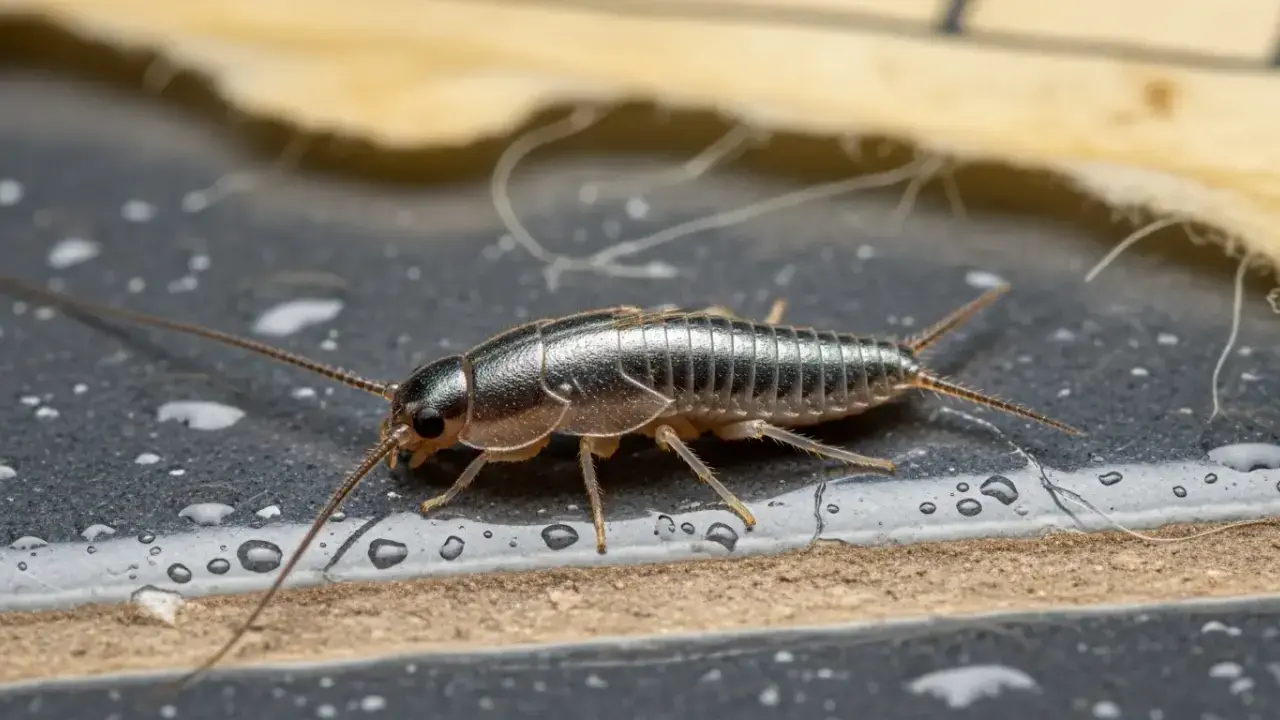
Silverfish are small, wingless nocturnal insects known for their destructive feeding habits. They can cause a serious problem in large numbers, damaging old books, photographs, wallpaper, plaster, and other household items containing starch or cellulose. They survive in most environments but thrive in conditions of high humidity. They are characterised by their silvery-blue colour, long antennae, and a carrot-shaped body covered with tiny scales. Their wiggling movement resembles that of a fish, earning them the common names fish moths and carpet sharks.
What's Included
Why acting quickly matters
A single silverfish can lay one egg per day throughout its 8-year lifespan. In damp conditions, populations grow steadily and spread through wall cavities, pipe runs, and floor voids. By the time you spot silverfish in the open, the hidden population is typically far larger.
Need professional silverfish control?
We assess the infestation and the moisture conditions causing it. Free survey and quotation across the North East.
Request a free call back
Prefer to get in touch another way? Contact us or email info@wynyardpestcontrol.co.uk
Related Services
Threat Assessment
Nuisance:
4/10MODERATESilverfish are a nuisance pest that damages books, wallpaper, photographs, and starchy materials. They are nocturnal and fast-moving, making them difficult to catch. Their shed skins can trigger allergic reactions in sensitive individuals.
Hazard:
1/10LOWSilverfish are not known to bite or carry disease. They do not pose a direct health risk. However, a persistent infestation may breach hygiene standards in rented or commercial properties, particularly where underlying damp is present.
Vital Statistics
| Species | Common Silverfish (Lepisma saccharina) |
| Size | 10 to 12 mm, teardrop-shaped |
| Colour | Silvery-blue or grey |
| Lifespan | Up to 8 years in favourable conditions |
| Eggs | 2 to 20 per day depending on species |
| Preferred humidity | Above 75% relative humidity |
| Diet | Paper, book bindings, wallpaper paste, starch, sugar, photographs |
| Activity | Nocturnal, rarely seen during the day |
Key Facts
- Silverfish can live for up to 8 years in favourable conditions, one of the longest lifespans of any household insect
- Silverfish thrive at relative humidity above 75%. Reducing humidity below 60% is the most effective long-term preventive measure
- Silverfish shed their skins throughout adulthood. The tiny scales can mix with dust and trigger allergic reactions in sensitive individuals
- In new build properties, residual construction moisture can take 12 to 24 months to fully dry out, creating ideal conditions for silverfish
Silverfish Problem in Your Property?
Contact us for a thorough assessment of the infestation and the moisture conditions causing it. We treat the silverfish and advise on the environmental changes needed to prevent them returning.
Signs of Silverfish
- Yellow stains: On clothing and synthetic fabrics
- Feeding marks: Small holes or notches along the edge of paper, books, or wallpaper
- Burrowing: Found in unsealed dried food packets
- Shed skins: Tiny scales left behind from moulting
- Sightings at night: Most likely to be seen after dark in kitchens, bathrooms, and other damp areas
- Droppings: Tiny, dark pepper-like faecal pellets found near harbourage areas and hiding spots
What Silverfish Damage
While not harmful to people, silverfish can be damaging to belongings. Their diet is based on sugars and carbohydrates, so they eat:
- Books, glues in book bindings, paper, and cardboard
- Wallpaper and wallpaper paste
- Insulation and dead insects
- The emulsion on photographs (leaving small holes in images)
- Fallen human hair and clothing
- Carpets, fabrics, cotton, and linen products
- Starch-based treatments applied to fabrics
- Pasta, sugar, coffee, and other food debris
Treatment Programme
If humidity is not reduced, silverfish will return after any treatment. The most important step is improving ventilation, running a dehumidifier, and fixing any leaks. Target relative humidity below 60%.
Silverfish treatment combines moisture reduction, targeted insecticide application, and harbourage treatment. Because silverfish thrive in humidity, chemical treatment alone will not resolve the infestation. The moisture source must be addressed first. Most infestations are resolved in 1 to 2 visits.
Before and After Treatment
Before Treatment
- Identify and note the damp areas where silverfish are most commonly seen (bathroom, kitchen, under sink, loft, basement)
- Clear access to skirting boards, under cupboards, and behind appliances in affected areas
- Remove any stored paper, cardboard, or books from floor level
- Store dry foods in sealed airtight containers before the visit
- If using a dehumidifier, have it running in affected areas in the days leading up to treatment
After Treatment
- Vacate treated areas for 1 to 2 hours and ventilate before returning
- Do not clean or mop treated surfaces for at least 7 to 10 days
- Continue running a dehumidifier in affected areas
- Improve ventilation: open windows daily, install extractor fans, unblock air bricks
- In new build properties: be aware that residual construction moisture can take 12 to 24 months to fully dry out
Silverfish Prevention
- Seal openings: Close gaps in walls, cracks, and ceilings to prevent entry
- Reduce humidity: Use a dehumidifier if you have damp issues, as silverfish thrive in wet environments. Target below 60% relative humidity
- Fix leaks: Repair leaking pipework and improve ventilation
- Clean gutters: Ensure water drains away to reduce dampness
- Vacuum regularly: Remove food crumbs, dust, and debris from harbourage areas
- Reduce clutter: Remove waste cardboard, old papers, and general clutter from damp areas
- Store food properly: Keep dry foods and pet foods in sealed glass jars or airtight containers
We provide silverfish control across Darlington, Hartlepool, and Durham. If silverfish persist after preventive measures, see how we work for details of our treatment process. Silverfish are often found alongside booklice, another moisture-dependent pest. In rental properties and healthcare premises, persistent silverfish may indicate a building-wide ventilation issue.
Is Treatment Safe for Children and Pets?
- Insecticide spray: Children and pets should vacate for 1 to 2 hours until the spray has dried. Once dry, treated surfaces are safe
- Insecticidal dust (applied in voids): Applied in sealed, inaccessible voids with no contact risk for children or pets
- Fish tanks: Cover tanks and switch off air pumps during treatment and for 1 hour afterwards
- Overall risk: Silverfish treatment does not use high-toxicity rodenticides. Overall risk profile is low compared to rodent or insect treatments
DIY vs Wynyard Pest Control
Silverfish are a reliable indicator of excess moisture. Reducing humidity below 60% is the single most effective long-term control measure.
| DIY | Wynyard Pest Control | |
|---|---|---|
| Best for | Occasional sighting in bathroom | Regular sightings or property damage |
| Moisture source found | ✗ Not investigated | ✓ Damp survey and moisture mapping |
| Harbourage located | ✗ Surface only | ✓ Wall cavities and voids checked |
| Pet and child safe | ⚠ Varies by product | ✓ Targeted, controlled application |
| Effectiveness | Kills visible silverfish only | Population and conditions addressed |
| Follow-up visits | ✗ None | ✓ Available if needed |
| Guarantee | ✗ None | ✓ Satisfaction guarantee |
When DIY may be sufficient: One or two silverfish spotted in a bathroom. Improving ventilation, using a dehumidifier, and sealing cracks around skirting boards is often enough to discourage them.
When you need Wynyard Pest Control: If silverfish are appearing regularly in multiple rooms, or you notice damage to wallpaper, books, or stored papers, the population is established and linked to a moisture problem. Older properties across Sunderland, Durham, and Newcastle with rising damp, condensation issues, or poor ventilation are common habitats.
Seasonal Silverfish Activity in the North East
Hover or tap a month to see Silverfish activity details
Low activity. Silverfish remain in warm harbourage areas. Central heating keeps some populations active.
Minimal activity. Cold, dry conditions suppress breeding and movement.
Activity increases as temperatures rise. Spring moisture encourages mould growth they feed on.
Humidity rising. Silverfish becoming more active and feeding regularly.
Breeding increases. New build properties see rising numbers as construction moisture persists.
High humidity drives peak activity. Egg-laying accelerates in warm, damp conditions.
Peak summer conditions. Maximum breeding and feeding activity in bathrooms and kitchens.
Continued high activity. Property damage most visible during summer months.
Activity begins declining as autumn approaches but remains significant in damp properties.
Populations stabilise. Silverfish seek warmer harbourage as temperatures drop.
Reduced activity. Central heating may maintain localised populations in warm rooms.
Lowest activity. Silverfish dormant in cool areas but may remain active near heat sources.
Silverfish are active year-round in heated buildings but their numbers peak in summer when humidity is highest. Bathrooms, kitchens, and laundry rooms provide the warm, damp conditions silverfish need. Central heating keeps populations ticking over through winter, but the fastest breeding occurs in warm, humid months.
Reduce humidity with extractor fans and dehumidifiers in bathrooms and kitchens. Silverfish cannot breed effectively below 50% relative humidity - controlling moisture is as important as chemical treatment.
Spring (March to May) - Activity increases: As temperatures rise and humidity levels climb with spring rain, silverfish become more active. They emerge from cracks in skirting boards, behind bath panels, and from gaps around pipework to feed on wallpaper paste, book bindings, and starchy residues. Watch for: small irregular holes in stored paper and cardboard, yellowish stains on fabrics and documents, and tiny dark droppings resembling ground pepper near skirting boards in bathrooms and kitchens across Hartlepool, Sunderland, and Durham.
Summer (June to August) - Peak breeding: Warm, humid conditions are ideal for silverfish reproduction. Females lay small clusters of eggs in cracks and crevices throughout the property. New-build homes with residual construction moisture are particularly vulnerable during their first two summers. Watch for: silverfish appearing in bathtubs, sinks, and on bathroom floors at night; damage to wallpaper edges, particularly in humid rooms; and multiple silverfish spotted when lifting boxes or moving items that have sat undisturbed in garages and lofts.
Autumn (September to November) - Indoor concentration: As outdoor conditions cool, silverfish consolidate in the warmest, most humid indoor areas. Bathrooms, utility rooms, and kitchens with poor ventilation see the highest populations. Watch for: increasing sightings near radiators and hot water pipes, damage to books and magazines stored in damp spare rooms, and silverfish appearing in airing cupboards. Properties in Middlesbrough, Stockton, and County Durham with older plumbing or poor damp-proofing are most at risk.
Winter (December to February) - Slower but present: Silverfish remain active in heated homes throughout winter, though breeding slows in cooler areas. Central heating combined with condensation from poor ventilation maintains the humid conditions silverfish need. Watch for: silverfish on bathroom floors when lights are turned on at night, and cast skins near harbourage areas. Winter is an ideal time to address root causes: improve ventilation with extractor fans, repair leaking pipes, and run dehumidifiers in affected rooms to bring humidity below 60%.
Our Silverfish Control Process
A structured, three-stage approach that treats the problem and prevents it returning.
Step 1
Inspect and Plan
A detailed property inspection identifies entry points, infestation hotspots, and the species involved. A targeted treatment plan is developed based on findings.
Step 2
Treatment
Professional control measures are applied using advanced techniques and CRRU-compliant products. Proofing and sealing work addresses the root cause at the same time.
Step 3
Ongoing Support
Follow-up visits confirm the problem is resolved. You receive clear documentation, prevention advice, and recommendations for ongoing protection.
Why Choose Us for Silverfish Control
Root Cause Approach
We address both the infestation and the underlying moisture conditions that attract silverfish, not just the symptoms.
Targeted Treatment
Residual insecticides applied to harbourage areas provide weeks of ongoing protection against silverfish.
New Build Specialists
We have extensive experience with silverfish in newly built properties where residual construction moisture is common.
Practical Prevention Advice
Clear guidance on ventilation and humidity management to prevent silverfish returning after treatment.

NPTA Member
We are full members of the National Pest Technicians Association (NPTA). This means our technicians meet strict training and competency standards, carry appropriate insurance, and follow the association's code of practice. NPTA membership is your assurance that the work is carried out professionally and responsibly.
Fair, Transparent Pricing
Every job is different. The cost depends on the type of pest, scale of the problem, and what treatment is needed. We provide a free assessment and an honest quotation before any work begins. No hidden costs, no surprises.
View our pricing guideSatisfaction Guaranteed
If silverfish activity persists after treatment, we will return and re-treat at no additional charge.
Frequently Asked Questions
Silverfish are not dangerous to humans. They do not bite and are not known to carry disease-causing pathogens. However, their shed skin scales can trigger allergic reactions in sensitive individuals, and they can cause significant damage to belongings.
Silverfish thrive in warm, humid environments. If your home has damp areas (bathrooms, kitchens, basements), poor ventilation, or accessible food sources (paper, cardboard, starchy foods), silverfish are likely to be attracted. They can also be introduced through cardboard boxes and stored items.
Small populations can be managed with DIY sprays and by reducing humidity, sealing entry points, and removing food sources. However, larger or repeated infestations are difficult to eliminate without professional treatment, as silverfish are nocturnal, fast-moving, and hide in hard-to-reach crevices.
Silverfish can live for up to 8 years in favourable conditions, one of the longest lifespans of any household insect. Their long lifespan combined with their ability to reproduce daily means infestations can grow rapidly if left untreated.
Related Services
Our Other Services
Areas We Cover
We provide silverfish control services across the North East of England.
Ready to talk to us?
Free survey and quotation for businesses and homeowners. No obligation, no pressure.
We will get back to you as soon as we can.