
Earwig Control
Professional earwig control for homes and businesses across the North East. Perimeter treatment, indoor spot treatment, entry point sealing, and harbourage reduction advice.
Why You Need Professional Earwig Control
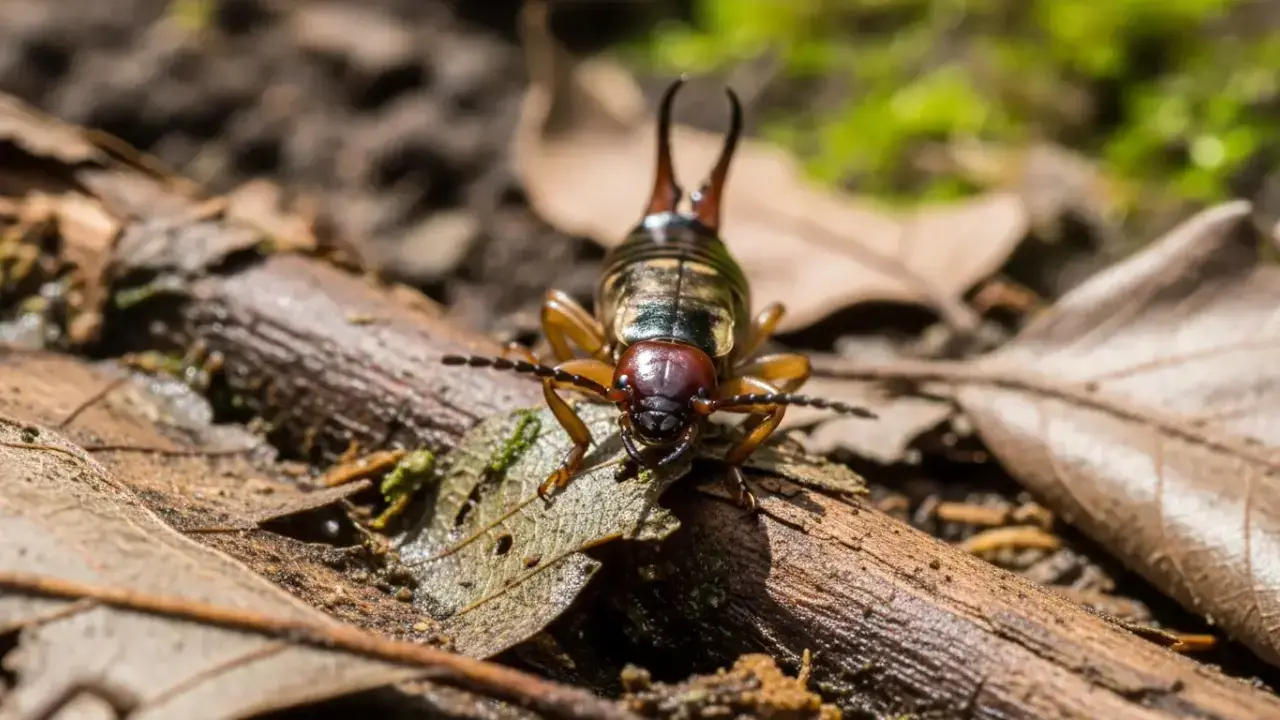
Earwigs are occasional invaders that move indoors in large numbers during late summer and autumn. While they are not dangerous, a significant earwig infestation inside a property, particularly in kitchens, bathrooms, or bedrooms, is unpleasant and can be difficult to control without professional help. The common earwig (Forficula auricularia) is easily identified by the curved pincers at the tip of the abdomen, used for defence and prey capture, not for attacking humans.
What's Included
Why acting quickly matters
A female earwig guards and tends a clutch of 30 to 50 eggs, and nymphs begin foraging within days of hatching. In late summer, large outdoor populations can drive hundreds of earwigs indoors through ground-level gaps. Early perimeter treatment before peak season prevents mass incursions.
Earwigs invading your home?
Professional perimeter treatment stops earwigs at the source. Free survey and quotation across the North East.
Request a free call back
Prefer to get in touch another way? Contact us or email info@wynyardpestcontrol.co.uk
Related Services
Threat Assessment
Nuisance:
4/10MODERATEEarwigs are primarily a nuisance pest. Large numbers entering kitchens, bathrooms, or bedrooms are unpleasant. They can damage houseplants and cut flowers but do not damage structural timbers or fabrics.
Hazard:
1/10LOWEarwigs do not bite, do not carry disease, and are not harmful to humans or pets. The pincers can very occasionally pinch skin but rarely break it.
Vital Statistics
| Species | Common Earwig (Forficula auricularia) |
| Size | 12 to 15 mm long |
| Colour | Dark brown, shiny |
| Distinguishing feature | Prominent pincers (cerci) at the rear |
| Activity | Nocturnal. Rarely seen during the day |
| Lifespan | Around 1 year |
| Diet | Omnivorous: plant material, other insects, organic debris |
| Peak indoor invasion | Late summer and autumn |
Key Facts
- The name earwig comes from folklore. They do not crawl into ears
- Earwig invasions are entirely driven by outdoor conditions. A well-maintained home can experience earwig problems if the garden environment is favourable
- Earwigs prefer to breed outdoors in soil. Indoor infestations are almost always incursions from outside rather than established breeding populations
Earwig Invasion?
Contact us for professional perimeter treatment and practical advice to stop earwigs entering your property.
Signs of an Earwig Problem
- Sightings at night: In kitchens, bathrooms, or damp utility areas
- Large numbers outdoors: Under garden furniture, pots, or in compost heaps near entry points
- Damage to houseplants: Irregular holes in leaves or petals, similar to slug damage
- Finding earwigs in bedding or laundry: Indicates significant indoor movement
- Presence after rain: Earwigs shelter indoors when the ground becomes waterlogged
Where Earwigs Come From
Earwigs are primarily outdoor insects that enter properties in search of warmth, shelter, or moisture. Common entry routes and harbouring spots include:
- Gaps around doors, windows, and pipe penetrations
- Ground-floor vents and air bricks
- Through potted plants brought indoors
- Piles of garden debris, compost, or mulch against the building
- Under bark, stones, or garden furniture close to the property
Treatment Approach
Earwig control focuses on reducing harbouring conditions outdoors and treating entry points and indoor hotspots with residual insecticide.
- Step 1: Inspection. Identify entry points, harbourage areas, and conducive conditions
- Step 2: Perimeter treatment. Residual insecticide applied to the exterior wall base, around doors, windows, vents, and potential entry points
- Step 3: Indoor spot treatment. Targeted application in affected rooms, focusing on cracks, crevices, and skirting boards
- Step 4: Harbourage reduction advice. Practical recommendations to remove conditions attracting earwigs to the building
All products used are COSHH-compliant and applied by trained, insured technicians.
Before and After Treatment
Before Treatment
- Clear access to affected rooms and any ground-level entry points
- Move garden furniture, pots, and debris away from the building perimeter if possible
- Vacuum floors in affected areas to remove any earwigs and debris
- Ensure pets are kept away from treatment areas during the visit
- Flag any areas where you have seen the highest activity
After Treatment
- Ventilate treated rooms for at least 30 minutes
- Do not clean treated surfaces (skirting, perimeter edges, vents) for 7 to 10 days
- Continued sightings for up to 1 to 2 weeks post-treatment are normal as earwigs crossing treated surfaces absorb the insecticide
- Remove harbouring material: clear leaf litter, compost, stones, and debris from the perimeter
- Seal gaps using draught excluders, sealant, or mesh to block the main entry routes identified during the visit
- Contact us if activity persists after 3 weeks
Earwig Prevention
- Remove harbouring material: Clear garden debris, leaf piles, and compost heaps from the immediate building perimeter
- Move pots and furniture: Away from external walls
- Seal entry points: Fill cracks, fit draught excluders to doors, mesh over vents
- Reduce outdoor lighting at night: Light attracts earwigs and other insects to entry points
- Check plants: Before bringing them indoors, especially in late summer
- Reduce moisture: Fix leaking gutters or standing water near the building
We provide earwig control across Darlington, Stockton, and Hartlepool. Earwigs are often found alongside spiders and ants as occasional invaders. For hospitality venues and food businesses, perimeter treatment is an important part of an integrated pest management programme. See how we work for details of our approach.
Is Treatment Safe for Children and Pets?
Yes. Once treated surfaces are dry (typically 1 to 2 hours), they are safe. Keep children and pets away from treated areas during application. Your technician will advise on the specific drying time.
DIY vs Wynyard Pest Control
Earwigs in the garden are beneficial predators of aphids. Only consider treatment if they are regularly entering your home.
| DIY | Wynyard Pest Control | |
|---|---|---|
| Best for | A few earwigs outdoors | Regular indoor sightings |
| Entry points found | ✗ Not investigated | ✓ Full property survey |
| Underlying cause | ✗ Not assessed | ✓ Moisture and harbourage identified |
| Pet and child safe | ✓ Traps are safe | ✓ Targeted, controlled application |
| Effectiveness | Catches a few individuals | Population reduced and entry sealed |
| Follow-up visits | ✗ None | ✓ Available if needed |
| Guarantee | ✗ None | ✓ Satisfaction guarantee |
When DIY may be sufficient: A few earwigs in the garden are completely normal and actually beneficial, as they eat aphids and other small pests. Rolled-up newspaper or a damp cloth left overnight near plants creates a simple trap.
When you need Wynyard Pest Control: If earwigs are regularly appearing indoors, particularly in kitchens, bathrooms, or utility rooms, the cause is usually damp conditions and gaps in external walls. Properties across Stockton, Middlesbrough, and Sunderland with older pointing, cracked render, or poorly sealed door frames often see earwigs moving indoors, especially in autumn.
Seasonal Earwig Activity in the North East
Hover or tap a month to see Earwig activity details
Earwigs dormant or sheltering in soil and garden debris. No indoor activity expected.
Still dormant. A good time to clear garden debris and leaf litter near the property.
Earwigs beginning to emerge as temperatures rise. Females tending eggs in soil.
Nymphs hatching. Earwigs becoming active outdoors but not yet moving indoors.
Populations building. Earwigs active in gardens at night, feeding on plant material and small insects.
Numbers increasing. Some earwigs may begin appearing near doorways and windows in the evenings.
Peak outdoor populations. Earwigs increasingly found near buildings, attracted to outdoor lighting at night.
Peak invasion period begins. Large numbers moving indoors seeking shelter as nights shorten.
Peak indoor invasion. Cooling temperatures and wet weather drive earwigs to seek warm, dry shelter inside properties.
Indoor invasions continue in mild conditions. Seal gaps around doors and windows to reduce entry.
Activity declining as temperatures drop. Earwigs seeking overwintering sites in soil.
Dormant. No indoor activity expected in most properties.
Earwigs are most active from May to September, particularly on warm, humid evenings. They shelter during the day in dark, damp crevices and emerge at night to feed. Indoor invasions peak in late summer when earwigs enter homes through gaps around doors and windows seeking shelter.
Seal gaps around door frames and windows before summer to prevent earwigs entering the home. Clear leaf litter and debris from around the property to reduce harbourage near the building.
Spring (March to May) - Emergence and breeding: Earwigs emerge from overwintering sites in soil, leaf litter, and garden debris. Females tend their eggs in small chambers in the soil, which is unusual behaviour for insects. Nymphs hatch and begin feeding on decaying plant matter, aphids, and other small invertebrates. Watch for: earwigs appearing under plant pots, stones, and garden furniture as temperatures rise; activity around compost heaps and mulched garden borders; and occasional earwigs found in ground-floor rooms near garden doors across Hartlepool, Darlington, and Durham.
Summer (June to August) - Outdoor populations peak: Earwig populations reach their highest numbers outdoors. They are active at night, feeding on plant material, aphids, and decaying matter. During the day they shelter in dark, damp crevices. Watch for: earwigs in cut flowers brought indoors, large numbers sheltering under patio furniture and pot saucers, earwigs attracted to outdoor lighting at night, and increasing sightings near external doors and air bricks. Hospitality venues with outdoor seating and food businesses across the region often see earwig complaints during this period.
Autumn (September to November) - Indoor migration: This is the peak period for indoor earwig complaints. As night temperatures drop, earwigs seek shelter inside buildings through gaps under doors, around pipework, through air bricks, and via cracks in external walls. Properties with gardens, particularly older homes in Stockton, Middlesbrough, and Sunderland, see the highest numbers. Watch for: earwigs in bathrooms, kitchens, and utility rooms at night; clusters behind skirting boards, in folded towels, and inside shoes left near exterior doors; and earwigs appearing in numbers that cause distress despite being harmless.
Winter (December to February) - Dormant period: Earwig activity drops sharply as they enter a dormant phase, sheltering in soil and under debris. Indoor sightings become rare. Watch for: any continued indoor activity which may indicate earwigs have established harbourage inside the building rather than entering from outside. Winter is the ideal time for prevention: clear leaf litter and debris from the building perimeter, seal gaps around external doors and pipes, fit mesh over air bricks, and reduce ground-level clutter along external walls.
Our Earwig Control Process
A structured, three-stage approach that treats the problem and prevents it returning.
Step 1
Inspect and Plan
A detailed property inspection identifies entry points, infestation hotspots, and the species involved. A targeted treatment plan is developed based on findings.
Step 2
Treatment
Professional control measures are applied using advanced techniques and CRRU-compliant products. Proofing and sealing work addresses the root cause at the same time.
Step 3
Ongoing Support
Follow-up visits confirm the problem is resolved. You receive clear documentation, prevention advice, and recommendations for ongoing protection.
Why Choose Us for Earwig Control
Indoor and Outdoor
We treat both the outdoor source population and indoor harbourage areas for thorough control.
Entry Point Identification
We identify the gaps and routes earwigs are using to enter your property and advise on sealing them.
Safe for Homes
COSHH-compliant treatments with minimal preparation and disruption required.
Seasonal Timing
Treatments timed for late summer when earwig activity peaks deliver the best results.

NPTA Member
We are full members of the National Pest Technicians Association (NPTA). This means our technicians meet strict training and competency standards, carry appropriate insurance, and follow the association's code of practice. NPTA membership is your assurance that the work is carried out professionally and responsibly.
Fair, Transparent Pricing
Every job is different. The cost depends on the type of pest, scale of the problem, and what treatment is needed. We provide a free assessment and an honest quotation before any work begins. No hidden costs, no surprises.
View our pricing guideSatisfaction Guaranteed
If earwig activity persists after treatment, we will return and re-treat at no additional charge.
Frequently Asked Questions
No. Earwigs do not bite, do not carry disease, and are not harmful to humans or pets. The pincers are used for defence and can very occasionally pinch skin but rarely break it. They will not damage structural timbers or fabrics but can damage houseplants and cut flowers.
Late summer and autumn are peak invasion periods. Cooling temperatures, wet weather, and shorter days drive earwigs to seek shelter. If numbers outdoors are high, some will find their way inside through ground-level gaps.
No. Earwig invasions are entirely driven by outdoor conditions. A well-maintained home can experience earwig problems if the garden environment is favourable.
Earwigs prefer to breed outdoors in soil. Indoor infestations are almost always incursions from outside rather than established breeding populations.
Activity typically reduces within 1 to 2 weeks. The perimeter treatment continues to act as a barrier for several weeks after application.
Related Services
Our Other Services
Areas We Cover
We provide earwig control services across the North East of England.
Ready to talk to us?
Free survey and quotation for businesses and homeowners. No obligation, no pressure.
We will get back to you as soon as we can.