
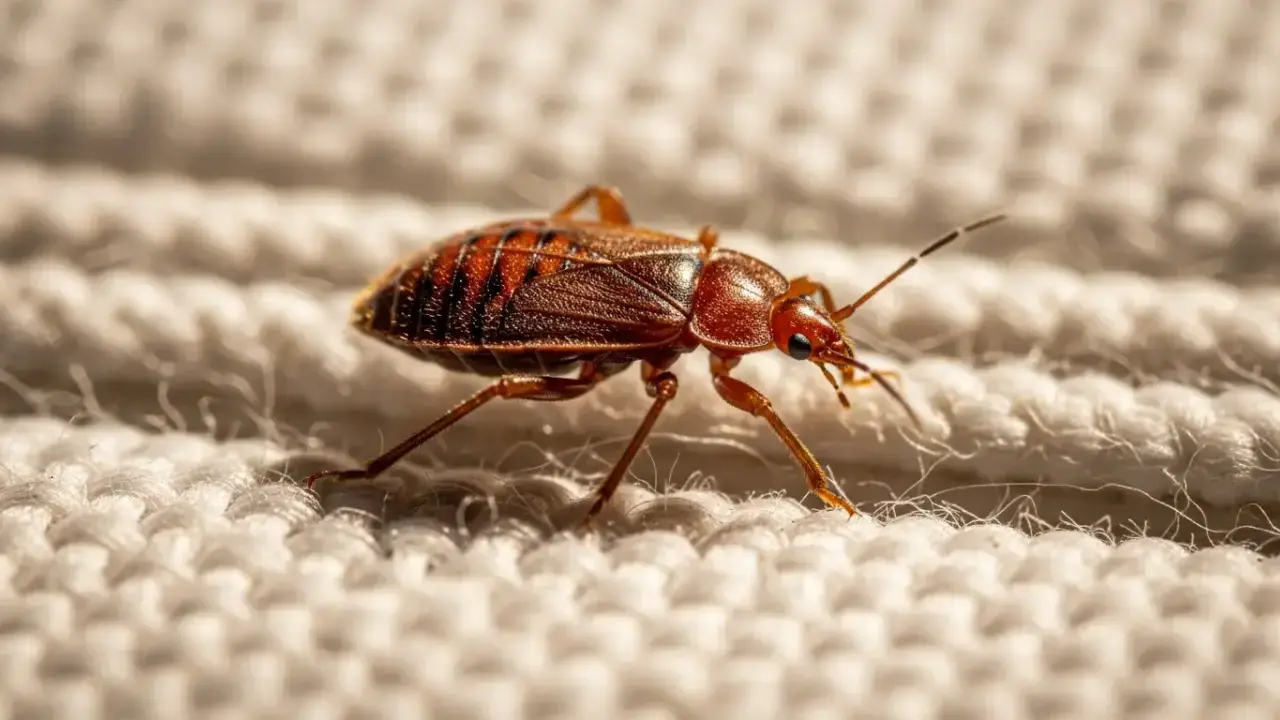
Bed Bug Control
Professional bed bug elimination for businesses and homes across the North East. Heat treatment and chemical solutions targeting all life stages.
Why You Need Professional Bed Bug Control
Bed bugs are one of the most difficult pests to eliminate without professional intervention. These small, flat, blood-feeding insects hide in mattress seams, bed frames, and furniture during the day and feed at night, spreading rapidly between rooms and properties. Our NPTA-qualified technicians provide thorough inspection, targeted treatment using both heat and chemical methods, and follow-up monitoring to ensure complete eradication for commercial and domestic clients.
What's Included
Why acting quickly matters
A single female bed bug can lay 200 to 500 eggs over a two-month period. Bed bugs spread to adjoining rooms through wall cavities, pipework, and shared furniture. Every week of delay means more rooms affected, higher treatment costs, and more nights of disrupted sleep.
Need urgent help with bed bugs?
Same-day assessment available. Free survey and quotation for businesses and homeowners across the North East.
Request a free call back
Prefer to get in touch another way? Contact us or email info@wynyardpestcontrol.co.uk
Threat Assessment
Nuisance:
8/10VERY HIGHBed bugs cause severe sleep disruption, psychological distress, and anxiety. Infestations spread rapidly between rooms and properties in shared buildings, affecting quality of life for all occupants.
Hazard:
6/10MODERATEBed bugs are not known to transmit diseases, but bites cause itchy welts that can lead to secondary skin infections through scratching. Severe allergic reactions occur in some individuals. The psychological impact of an infestation is significant and well documented.
Vital Statistics
| Species | Common bed bug (Cimex lectularius) |
| Adult size | 4 to 5mm long, oval and flattened |
| Colour | Reddish brown (darker after feeding) |
| Eggs per female | 200 to 500 over a 2-month period |
| Eggs per day | 1 to 10 |
| Lifecycle stages | 7 stages from egg to adult (45 days to 1 year) |
| Lifespan | 50 days to over 1 year |
| Survival without feeding | Weeks to months |
| Active period | Nocturnal, feeding between sunset and dawn |
| Diet | Blood (human and animal) |
Key Facts
- A single female bed bug can lay 200 to 500 eggs over a two-month period, with 1 to 10 eggs per day.
- Bed bugs can survive for weeks to months without feeding, waiting for a human host to return.
- Bed bugs have built up resilience to many conventional pesticides, making DIY treatment unreliable.
- Infestations spread through wall cavities, electrical conduit, and shared pipework in flats, hotels, and HMOs.
- In commercial properties, a single online review mentioning bed bugs can cause lasting reputational damage.
- Bed bugs inject an anaesthetic when biting, so the bite often goes unnoticed until welts appear hours or days later.
- Bed bugs are attracted to body heat and CO2 from sleeping humans, not to dirt or poor hygiene.
- Their flat shape allows them to hide in cracks and crevices as thin as a credit card.
- Trained detection dogs are four times more effective at detecting early bed bug activity compared to human inspections.
- Heat treatment eliminates all life stages (eggs, nymphs, adults) in a single visit with no chemical residue.
"Amazing job"
Eleonore Colley · Google review, April 2026
Spotted signs of bed bugs?
Do not move furniture or bedding to other rooms. Contact us for a free assessment and we will recommend the most effective treatment for your situation.
Bed Bug Species Profile
A single female bed bug can lay 200 to 500 eggs over a two-month period, producing 1 to 10 eggs per day. Populations grow rapidly once established.
The most common species of bed bug in the UK is Cimex lectularius, part of the Cimicidae family. Both males and females feed on blood, but females bite more frequently as they need blood to develop their eggs.
Appearance: Adults are 4 to 5mm long, oval and flattened from back to underside. They are reddish brown in colour, becoming darker after feeding. They have thick, well-developed legs but no wings. Their pointed mouthparts are designed for piercing and sucking. Eggs are whitish cream, getting darker as they approach hatching. Shed skins are lighter brown and look like flaky exoskeletons.
Lifecycle: Females lay 200 to 500 eggs over a two-month period in batches of 10 to 50, attached to furniture or fittings in clusters by a transparent substance. There are seven stages to the lifecycle from egg to fully grown adult, which can take from 45 days up to a year depending on conditions. Typical lifespan ranges from about 50 days to over a year. They can survive for weeks to months without feeding, waiting for a human host.
Habits: Bed bugs are nocturnal, starting to feed soon after sunset and before dawn. They are attracted to body heat and CO2 from sleeping humans. They inject an anaesthetic when piercing the skin, so the bite can go unnoticed at first. When alarmed, they move quickly and emit a musty odour. They are found in cracks and crevices, headboards, behind peeling wallpaper, light switches, under carpets, and skirting boards.
Signs of a Bed Bug Infestation
Bed bug infestations are often well established before they are noticed. Early detection is critical to limiting the spread and reducing treatment costs.
In the early stages, detection can be very difficult as bed bugs are small, well hidden, and active only at night. There are five key signs to look for:
- Itchy red bites: Small, red, itchy welts on exposed skin, frequently arranged in a line or cluster (sometimes called "breakfast, lunch, and dinner" patterns) as the bug bites multiple times. Reactions vary and some people may not react at all.
- Red or rusty stains on bedding: Small smears of blood left behind when a feeding bed bug is accidentally crushed, appearing as tiny red or rust-coloured smudges on sheets, pillowcases, or the mattress.
- Tiny dark spots (faecal matter): Very small, dark black or reddish brown spots about the size of an ink dot. This is bed bug excrement. Check mattress seams, box springs, and the bed frame. If you suspect a spot is excrement, rub it with a damp cloth; if it smears like digested blood, it is likely from a bed bug.
- Shed skins (exoskeletons): Bed bugs shed their outer shell five times as they grow from nymphs to adults. These castings are empty, translucent, pale yellow-brown husks that confirm juvenile bed bugs are present and growing.
- Musty odour: A heavy or long-standing infestation produces a distinct, unpleasant, musty odour, often described as sweet or sickly. This comes from chemicals released from the bugs' scent glands as alarm pheromones.
If you notice any of these signs, contact us for a free assessment. Early action prevents the infestation from spreading to other rooms and properties.
Where Bed Bugs Come From
Getting bed bugs is not a sign of poor hygiene; it is simply bad luck. Bed bugs are expert hitchhikers and can be carried in on clothing, luggage, second-hand furniture, or carpets. Common sources include hotel stays, public transport, staying at a friend's or family member's home, or purchasing used items.
Bed bugs can also migrate from adjoining accommodation through wall cavities, electrical conduit, and shared pipework. This is particularly relevant in flats, hotels, and houses in multiple occupation (HMOs). In shared buildings, a single introduction can spread to multiple units if not addressed quickly.
If no evidence of active infestation is found during an inspection, monitoring traps can be placed to check for ongoing activity. We can also perform swab tests to detect trace elements of bed bug activity, allowing even low-level infestations to be identified before they escalate.
Bed bugs can also survive on cats, dogs, and other domestic pets. If there is a rodent problem or wild animals in the vicinity such as birds or bats, bed bugs and their close relative the bat bug can be present there too.
In the North East, bed bug introductions are particularly common in shared buildings across Stockton, Middlesbrough, and Sunderland, where flats, HMOs, and student housing create ideal conditions for rapid spread between units.
How to Check for Bed Bugs
To check for bed bugs effectively, use this focused three-point inspection method with a bright torch and a credit card or stiff piece of cardboard:
1. Mattress seams and piping: The single most likely place to find bed bugs. Strip the bed completely, then shine a torch along all mattress seams, tufts, folds, and the label or tag. Use a credit card to press along hidden edges to dislodge insects or reveal signs. Look for live bugs (adults are about the size of an apple seed and reddish brown), shed skins, blood spots, and dark excrement spots.
2. Bed frame and headboard: Bed bugs often hide deep within the bed frame. Use a credit card edge to scrape along crevices. Shine light into cracks, screw holes, and gaps. Focus on wooden joints and corners. Lift or turn the mattress to inspect the entire frame structure.
3. Nearby furniture and walls: If the infestation has been present for some time, bed bugs will have spread beyond the bed. Check seams and folds of upholstered chairs, couches, and headboards. Check drawer undersides, bedside cabinets, and nightstands. Use a torch on baseboards and skirting boards along the wall closest to the bed. Look behind picture frames and loose wallpaper.
Common Hiding Places
- Mattress seams, box spring encasements, and bed frames
- Headboard crevices and bedside cabinets
- Carpets, underlay, rugs, and between floorboards
- Cracked or broken plaster, behind peeling wallpaper
- Drawers, cupboards, and wardrobes
- Skirting boards, baseboards, and electrical sockets
- Deep in upholstered furniture and soft furnishings
Bed Bug Bites
Bed bug bites are often confused with flea or mosquito bites. The key distinguishing feature is the line or cluster pattern, typically on skin exposed during sleep.
Bed bug bites can vary in appearance depending on individual reaction. Common characteristics include small red bumps (often resembling mosquito bites or hives), clusters or lines of bites, inflammation and swelling, intense itching, and a mild burning sensation around the bite area.
Allergic reactions: In some cases, individuals may have an allergic reaction leading to blisters or hives, large swollen welts, or in rare cases difficulty breathing requiring immediate medical attention.
Secondary infections: Excessive scratching can break the skin and increase risk of secondary bacterial infections. Signs include pus or discharge, increased pain and swelling, and fever in more serious cases.
Home treatment for bites: Clean the bites with mild soap and water, apply a cold compress to reduce inflammation, use over-the-counter hydrocortisone cream or calamine lotion for itch relief, and take oral antihistamines to reduce allergic reactions. Avoid scratching to prevent skin breakage and infection.
Bed Bug Bites vs Other Insect Bites
Accurate identification of the biting insect is essential for effective treatment. If unsure, a professional pest controller can inspect the property and identify the species responsible. Flea control requires a different treatment approach to bed bug control.
Seasonal Bed Bug Activity in the North East
Hover or tap a month to see Bed Bug activity details
Bed bug activity is lower in cooler months, but infestations in heated buildings continue year-round.
Indoor infestations remain active where heating provides warmth. Detection during deep cleans is common.
Activity begins to increase as temperatures rise. Spring cleaning often uncovers established infestations.
Breeding rates increase with warmer conditions. Easter holiday travel can introduce bed bugs to new properties.
Rising temperatures accelerate the lifecycle. Student accommodation turnover creates a risk of spread.
Summer travel season begins. Hotels, B&Bs, and holiday lets see increased risk from guest turnover.
Peak holiday season drives the highest risk period. Bed bugs spread rapidly in warm conditions.
Continued high travel activity and warm temperatures maintain peak breeding and infestation rates.
University term starts bring new infestations to student housing. Holiday returns introduce bugs to homes.
Infestations established over summer become more noticeable as populations grow. Treatment demand remains high.
Activity slows outdoors but continues indoors. Bed bugs seek warmth and remain active in heated properties.
Reduced travel lowers introduction risk, but existing infestations persist. Holiday guests can trigger new introductions.
A single bed bug introduction can escalate quickly - one pregnant female produces enough offspring to infest an entire room within six to eight weeks. In heated properties, breeding does not stop in winter, so infestations grow silently between guest stays.
Found bites, blood spots on sheets, or dark marks along mattress seams? Do not move bedding to another room - this spreads the infestation. Call us for a same-day inspection.
Spring (March to May) - Infestations revealed: Spring cleaning and longer daylight hours often reveal bed bug infestations that have been growing unnoticed over winter. Easter travel creates a smaller spike in new introductions as visitors return from holidays. Watch for: bites that appear regularly rather than as one-off incidents, dark faecal spots (like ink dots) on mattress seams and piping, and cast skins accumulating near bed frames and headboards. Properties across Hartlepool, Sunderland, and Durham should schedule pre-season inspections before summer bookings begin.
Summer (June to August) - Peak introduction season: The summer holiday period drives the highest number of new bed bug introductions. Increased travel, hotel stays, and guest turnover create more opportunities for bed bugs to hitchhike into new properties via luggage, clothing, and soft furnishings. Warmer temperatures accelerate the breeding cycle significantly. Watch for: small red-brown insects (4 to 5mm) in mattress seams and headboard joints, tiny blood spots on sheets, and clusters of itchy bites appearing overnight in lines or groups on exposed skin. Hotels, B&Bs, and holiday lets see the highest risk during this period.
Autumn (September to November) - Student and travel-driven spike: University term starts bring a second wave of risk as students move into shared accommodation across Teesside, County Durham, and Tyne and Wear. Second-hand furniture, shared laundry facilities, and high occupant turnover increase exposure. Infestations established during summer reach critical levels. Watch for: a sweet musty odour in bedrooms, increasing bite frequency as colony numbers grow, and visible bed bugs when lifting mattresses or pulling out headboards in rental properties and student lets.
Winter (December to February) - Existing infestations persist: Reduced travel lowers the rate of new introductions, but existing infestations continue to breed in heated properties. Bed bugs do not die off in winter - they simply receive fewer new hosts. Holiday guests over Christmas can trigger new introductions. Watch for: continued bite patterns, inspect guest bedrooms after visitors leave, and check second-hand furniture and clothing brought in during the festive period. Accommodation providers in Darlington, Stockton, and Middlesbrough should maintain monitoring year-round - a property infested in summer will still be infested in January.
Why Choose Us for Bed Bug Control
NPTA-Qualified Technicians
Our team holds full NPTA membership, ensuring every bed bug treatment meets the highest professional and safety standards.
Heat and Chemical Options
We offer both Entotherm heat treatment (single-visit, non-toxic) and targeted chemical treatments, selecting the best approach for your situation.
All Life Stages Targeted
Our treatments address eggs, nymphs, and adults to prevent the breeding cycle from restarting.
Follow-Up Included
We return to inspect and re-treat if needed. Chemical programmes include scheduled follow-up visits timed around the egg hatch cycle.
Commercial Expertise
Hotels, holiday lets, care homes, and student accommodation receive treatments designed around operational needs with minimal disruption.
Health Impacts and Risks
Bed bugs are not known to transmit diseases, but the psychological distress and sleep disruption caused by an infestation should not be underestimated.
The primary harm from bed bugs is the pain and irritation of being bitten, which can sometimes lead to secondary skin infection. Beyond physical discomfort, bed bug infestations cause significant psychological distress and anxiety, often leading to sleepless nights and a feeling of constant unease.
Bed bugs move around easily and if not treated quickly and professionally, can reach epidemic levels. In commercial properties, bed bugs can damage reputation, create uncomfortable environments for residents, patients, or guests, and result in legal action.
Seek medical attention if you experience a severe allergic reaction (difficulty breathing, swelling of face or throat, dizziness), signs of infection (increased pain, swelling, redness, pus, fever), widespread skin reaction covering a large area, or no improvement with home treatment after one week.
Professional Treatment Methods
We offer multiple treatment approaches, selecting the most effective method based on the scale and location of the infestation.
Entotherm heat treatment: A non-chemical, non-toxic treatment that eliminates all life stages (eggs, nymphs, adults) in a single visit. Uses safe, controlled heat to denature the protein within their bodies and disrupt the waxy layers on the outside of the insect, causing dehydration. Rooms can be re-occupied the same day once the temperature has cooled. Suitable for residential properties, commercial premises (hotel rooms, cinemas, offices), and transportation vehicles.
Green bed bug solution: Uses superheated steam alongside non-toxic physical insecticides to eradicate bed bugs. Advanced biopesticides and non-toxic sprays effectively target pests without endangering staff, guests, or patients. Quicker room turnaround compared to traditional chemical treatments.
Chemical treatments: Professional-grade insecticidal residual sprays for targeted application to cracks, crevices, and harbourage areas. Used when heat treatment is not suitable or as part of a combined approach. Follow-up visits are timed around the egg hatch cycle to ensure newly emerged nymphs encounter the residue.
DIY vs Wynyard Pest Control
When DIY may be sufficient: A very early sighting of a single bed bug, perhaps brought home in luggage after travelling. Washing all bedding and clothing at 60°C or above, vacuuming the mattress seams thoroughly, and encasing the mattress in a bed bug-proof cover may prevent an infestation from establishing.
When you need Wynyard Pest Control: If you are finding bites in lines or clusters, seeing blood spots on sheets, or noticing a sweet, musty odour in the bedroom, the infestation is established. Bed bugs hide in mattress seams, headboard joints, behind skirting boards, and inside electrical sockets. Shop-bought sprays kill the adults you can see but miss eggs, nymphs, and the majority of the population hiding in cracks. Properties across Hartlepool, Sunderland, and Darlington regularly need our Entotherm heat treatment to eliminate all life stages in a single visit.
Bed Bug Control for Businesses
For businesses in hospitality, healthcare, and transport, a bed bug infestation is more than a nuisance. It is a threat to brand reputation, operational efficiency, and revenue.
Why professional control is critical: In commercial environments, DIY solutions are ineffective and risky. The consequences of inadequate treatment include legal and compliance issues, operational downtime (traditional chemical treatments can leave rooms out of service for days), reputational damage from online reviews, and spread to other premises and potentially to employees' homes.
IPM approach to bed bug management: Professional bed bug management should follow an Integrated Pest Management approach. This includes detailed surveys with a documented audit trail for compliance, advanced monitoring with discreet devices to catch activity early, and rapid sustainable eradication using innovative non-toxic treatments.
Staff training: Train housekeeping and facilities staff on how to identify bed bugs before a guest or client complains. Key indicators include shed skins, dark spots (faecal marks), blood smears on sheets, and live insects.
Sectors Most at Risk
- Hospitality: Hotels, B&Bs, and hostels face highest risk due to high guest volumes and luggage turnover
- Healthcare: Hospitals, clinics, and care homes require pest-free environments for patient safety
- Education: Universities, boarding schools, and student accommodation face unique dormitory challenges
- Transport: Public transport seating, aircraft, and buses
- Offices: Bed bugs can live in office chair mesh, seams, and crevices
- Residential: Rental properties and housing associations where infestations spread between units
Our Bed Bug Control Process
A structured, three-stage approach that treats the problem and prevents it returning.
Step 1
Inspect and Plan
A detailed property inspection identifies entry points, infestation hotspots, and the species involved. A targeted treatment plan is developed based on findings.
Step 2
Treatment
Professional control measures are applied using advanced techniques and CRRU-compliant products. Proofing and sealing work addresses the root cause at the same time.
Step 3
Ongoing Support
Follow-up visits confirm the problem is resolved. You receive clear documentation, prevention advice, and recommendations for ongoing protection.
Spotted signs of bed bugs?
Do not move furniture or bedding to other rooms. Contact us for a free assessment and we will recommend the most effective treatment for your situation.
Bed Bug Detection Dogs
Highly trained bed bug sniffer dogs are four times more effective at detecting the earliest signs of bed bug activity compared to human inspections, making them a cost-effective tool for protecting premises.
How dogs detect bed bugs: Specific dog breeds (Labrador Retrievers, German Shepherds, Beagles, Belgian Shepherds) are trained to detect bed bugs by odour rather than sight, making them far more accurate. Their noses use approximately 200 million scent receptors to differentiate smells. Bed bugs emit unique pheromones, and the dogs are trained to recognise these specific, complex scents at any stage of infestation.
Proactive monitoring (air sampling): Trained technicians collect air samples from just inside the entrance of each room using a specifically designed vacuum backpack, without fully entering the room or disturbing furnishings. Technicians can potentially collect samples from over 200 rooms in a day. Samples are sent to a facility with specially trained dogs who detect bed bug activity directly from the room air samples.
Reactive inspection (onsite): For suspected bed bug sightings or activity in a specific area, expertly trained detection dogs visit the premises and work onsite. Dogs can detect early activity from nymphal stages through to adult bed bugs, potentially taking as little as 30 seconds to accurately detect specific areas within a room.
If the dog confirms an active infestation, a holding treatment of affected areas can take place immediately. A report with photographic evidence of activity and treatment is provided.
Carpet Beetles vs Bed Bugs
Carpet beetles are one of the most commonly mistaken pests for bed bugs. Misidentifying the insect can lead to the wrong treatment. Understanding the differences is essential.
Other Insects Commonly Mistaken for Bed Bugs
- Fleas: Feed on blood, smaller than bed bugs, move quickly by jumping, often found in homes with pets. Bites typically appear around the lower legs.
- Ticks: Usually brought in from outdoors, attach to skin for long periods, larger, rounder, and slow moving.
- Booklice: Tiny pale insects that do not bite, harmless, often found in damp areas or near mould.
- Swallow bugs and bat bugs: Close relatives of bed bugs found where birds or bats roost. Very hard to distinguish without expert identification.
Prevention Guide
Prevention is not a reflection of hygiene or cleanliness. Even spotless environments can be affected if a single bug is brought in from travel, visitors, neighbouring properties, or second-hand items.
Preventing Bed Bugs at Home
- Keep your home clutter-free: Reducing clutter, especially in bedrooms, makes detection easier and limits hiding places
- Vacuum regularly: Vacuum floors, skirting boards, mattress seams, and around bed frames. Empty the vacuum immediately into a sealed bag
- Wash bedding on high heat: Wash at 60 degrees or higher where possible and tumble dry for a minimum of 30 minutes
- Inspect furniture and soft furnishings: Check seams, joints, and folds of mattresses, sofas, chairs, and headboards. Avoid bringing second-hand furniture into your home unless thoroughly inspected
- Avoid spreading bed bugs accidentally: Do not place infested items outside or in communal areas. Seal affected items in plastic bags
Avoiding Bed Bugs When Travelling
- Inspect your hotel room: Check mattress seams, piping, headboards, bedding, bedside cabinets, upholstered chairs, curtain seams, and electrical sockets
- Keep luggage off the bed: Use a luggage rack or store suitcases on hard surfaces. Place on the tiled bathroom floor until you have inspected the room
- Hang clothes rather than using drawers: Bed bugs prefer dark, enclosed spaces
- After returning home: Carefully unpack in a hallway or garage. Immediately wash and dry all clothing on high heat. Vacuum the suitcase and store luggage in a non-living space between trips
Treatment Programme
Heat treatment (Entotherm) is the preferred method wherever possible. It eliminates all life stages including eggs in a single visit, with no chemical residue, and allows same-day re-occupancy. It is the most reliable option for hospitality, healthcare, and residential properties.
Before Treatment: How to Prepare
- Strip all bedding from affected beds and wash at 60 degrees minimum; tumble dry on high heat for at least 30 minutes. Place laundered items immediately into sealed plastic bags
- Vacuum the mattress seams, bed frame, all floor areas, and along skirting boards. Empty the vacuum directly into a sealed bag and dispose of it outside immediately
- Clear all items from under the bed and from floor level in the affected room to give the heat or spray maximum access to hiding spots
- Do not move furniture, bedding, or clothing to other rooms as this spreads bed bugs to unaffected areas
- Do not use any DIY spray products in the days before professional treatment as aerosols can scatter the population into wall voids
Post-Treatment Guidance
After heat treatment: You may re-enter the room once it has fully cooled. No restrictions apply; you can sleep in the room, wash surfaces, and use the space normally. Heat treatment is completely non-toxic with no chemical residue.
After chemical treatment: Do not vacuum, steam clean, or wash treated surfaces for a minimum of two weeks. The residual insecticide must remain active on surfaces to kill nymphs as they hatch from eggs. It is normal to see bed bugs for up to two weeks after a chemical treatment; this confirms the treatment is working as nymphs emerge and contact the residue.
General aftercare:
- Continue washing bedding at 60 degrees weekly during the treatment programme
- Fit a bed-bug-proof zippered mattress encasement after treatment and leave it in place for at least 12 months; this traps any survivors inside and prevents re-biting
- Monitor for signs of activity after the treatment programme is complete
- For hotels and multi-occupancy buildings, contain and bag all linen in the affected room before removal using colour-coded bags (red for infested, green for clear)
Pet and Child Safety
The safety of your family and pets is a priority during any bed bug treatment.
Heat treatment: Completely non-toxic. Children and pets can return to the room once it has cooled, typically one to two hours after the technician finishes. No precautions are required.
Chemical treatment: All occupants including pets must vacate the treated area during treatment and for two to four hours afterwards, until all surfaces are fully dry. Once surfaces are dry, the property is safe for children and pets. Avoid letting pets lick treated surfaces during the drying period.
Fish tanks: Fish tanks must be covered and air pumps turned off during any chemical spray treatment. Insecticide mist can harm aquatic life even at low concentrations.
If you have concerns about treatment safety for your specific situation, discuss them with your technician during the initial survey. We will always recommend the safest effective approach for your household.
"Have been with these guys since 2022, amazing customer service and knowledge - highly recommend"
Serious Lee · Google review, March 2026

NPTA Member
We are full members of the National Pest Technicians Association (NPTA). This means our technicians meet strict training and competency standards, carry appropriate insurance, and follow the association's code of practice. NPTA membership is your assurance that the work is carried out professionally and responsibly.
Fair, Transparent Pricing
Every job is different. The cost depends on the type of pest, scale of the problem, and what treatment is needed. We provide a free assessment and an honest quotation before any work begins. No hidden costs, no surprises.
View our pricing guideSatisfaction Guaranteed
Every bed bug treatment is backed by our elimination guarantee. If activity returns between scheduled visits, we re-treat at no additional cost. Our goal is complete eradication, not a temporary fix.
Frequently Asked Questions
Look for small blood spots on sheets, dark faecal marks along mattress seams, shed skins, and a musty odour. Bites typically appear as itchy red marks in lines or clusters on skin exposed during sleep. If you suspect activity, contact us for a free assessment.
Heat treatment (Entotherm) can eliminate all life stages, including eggs, nymphs, and adults, in a single visit. Chemical treatments usually require two to three visits spaced over three to four weeks to catch newly hatched nymphs. We will recommend the best approach after inspecting your property.
Yes. Bed bugs travel through wall cavities, along pipework, through electrical conduit, and via shared furniture. In multi-occupancy buildings such as flats, hotels, and care homes, adjoining rooms should be inspected. Early treatment limits the spread and reduces overall cost.
No. Bed bugs will not go away on their own if there is a blood meal host present. They can survive for several months and sometimes up to a year without feeding. Female bed bugs can lay numerous eggs each day, so populations grow rapidly if left untreated.
Generally no. Bed bugs are tiny, move quietly, and inject a numbing agent when they bite, allowing them to feed unnoticed. The most reliable signs remain physical evidence: bites in lines, dark faecal spots, and shed skins.
Bed bugs are expert hitchhikers. They spread primarily through travel (hotels, public transport, luggage), visitors bringing them unknowingly, shared buildings (flats, student accommodation), and second-hand furniture. Even clean, tidy environments can be affected.
Entotherm heat treatment is a non-toxic solution that eliminates bed bugs without chemicals and kills all stages of the life cycle in one treatment. By using controlled high temperature, pesticide and insecticide treatment are not required. It is suitable for homes, hotels, student accommodation, offices, and transportation.
Inspect hotel rooms (mattresses, headboards, furniture, soft furnishings) before unpacking. Keep luggage off the floor and off the bed. Use luggage racks and keep suitcases closed. Hang clothes rather than using drawers. After returning home, immediately wash all clothes at 60 degrees or higher and vacuum your suitcase thoroughly.
Yes, bed bugs can live in pillows, but it is generally not their primary or preferred hiding spot compared to mattresses and bed frames. Mattress seams and bed frame crevices are the most common harbourage areas.
Bed bug signs can often be mistaken for other issues such as mosquito bites or lint. Many insects found on bedding turn out not to be bed bugs after expert identification. Carpet beetle larvae are often mistaken for bed bugs. Check for key signs (dark spots, blood smears, shed skins, live bugs) and contact us for a professional inspection if unsure.
DIY treatment is far too risky for businesses and cannot guarantee success. For complete protection, professional pest control is essential. Consequences for businesses include brand reputation damage, negative customer reviews, employee morale issues, and revenue impacts.
Yes. While they prefer beds, mattresses, and other crevices, they can hide in thick carpets close to sleeping areas. They can move down carpet edges and hide between carpet and underlay. Thorough vacuuming and professional treatment are needed to address carpet-harboured bed bugs.
Our Other Services
Areas We Cover
We provide bed bug control services across the North East of England.
Ready to talk to us?
Free survey and quotation for businesses and homeowners. No obligation, no pressure.
We will get back to you as soon as we can.