
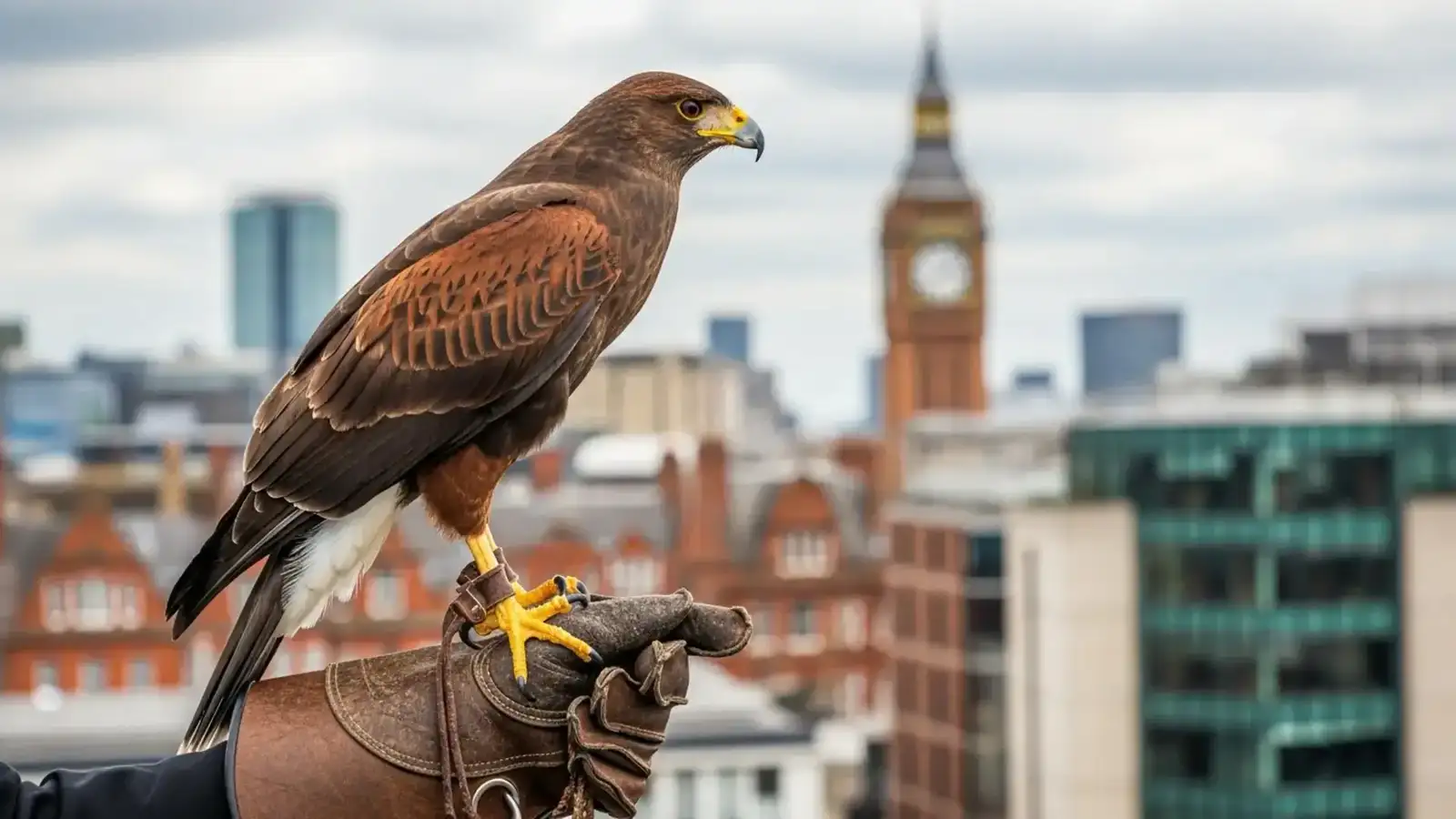
Hawking and Egg Removal
Professional bird of prey (hawking) services and egg removal programmes for long-term bird population management across the North East.
Why You Need Professional Hawking and Egg Removal
Trained birds of prey such as Harris Hawks are used to naturally deter pest birds from properties. This is an entirely natural solution where specially trained raptors create a predator presence. When pest birds regularly see birds of prey in a specific location, it convinces them the raptor is resident and will attack them if they attempt to nest, making the site far less attractive. Combined with systematic egg and nest removal, these programmes provide effective long-term population management for established bird colonies.
What's Included
Why acting quickly matters
Hawking and egg removal programmes are long-term strategies. For established colonies, it typically takes 3 to 5 years of sustained effort to significantly reduce resident bird populations. Starting a programme sooner means the population begins declining sooner, reducing damage and associated costs year on year.
Dealing with an established bird colony?
The sooner a management programme begins, the sooner the population starts declining. Contact us for a free site assessment.
Request a free call back
Prefer to get in touch another way? Contact us or email info@wynyardpestcontrol.co.uk
Threat Assessment
Nuisance:
8/10VERY HIGHEstablished bird colonies with active breeding create persistent, escalating problems. Flock size grows year on year as birds return to the same nesting sites. Noise, fouling, and aggressive behaviour during the breeding season cause significant disruption to commercial operations and residential amenity.
Hazard:
7/10HIGHLarge established colonies produce concentrated fouling that creates serious health hazards. The accumulation of years of nesting material and droppings creates conditions for Histoplasmosis, Cryptococcosis, and secondary pest infestations. Fire hazards from nesting material in ventilation systems increase with colony age.
Vital Statistics
| Raptor species used | Harris Hawk (Parabuteo unicinctus) |
| Programme duration | 3 to 5 years for established colonies |
| Egg removal visits | Multiple visits throughout breeding season |
| Legal authority | General Licence GL41 (DEFRA Natural England) |
| Target species | Feral pigeons, gulls, starlings |
| Peak breeding season | March to July |
Key Facts
- Hawking creates a genuine predator presence that is far more effective than decoys. Birds recognise a real raptor as a threat and choose safer nesting locations.
- Flight times are varied deliberately so pest birds do not become accustomed to a predictable schedule.
- Egg and nest removal prevents adult birds from raising young on site, reducing flock size over time as the location becomes unappealing.
- On sites with large or well-established colonies, treatment may take 3 to 5 years to significantly reduce nesting numbers.
- All egg and nest removal is carried out under General Licence GL41, ensuring full legal compliance.
- Without sustained effort over multiple seasons, bird populations recover quickly and the programme must restart.
"Have been with these guys since 2022, amazing customer service and knowledge - highly recommend"
Serious Lee · Google review, March 2026
Need long-term bird population management?
Free site assessment and tailored programme design. Hawking and egg removal for commercial and residential properties across the North East.
Bird of Prey Programme
When pest birds regularly see a real raptor in their territory, it convinces them the predator is resident. The site becomes unattractive and birds choose safer locations elsewhere.
Our bird of prey programme uses trained Harris Hawks to create a natural predator presence at your site. This is the most natural and humane form of bird deterrence available.
- Multiple visits from the bird handler and bird of prey throughout the year
- Flight frequency is determined by the species being deterred, as different approaches are required for different species
- Flight times are varied so pest birds do not become accustomed to the raptor's presence
- Handlers identify the most appropriate vantage points for flying raptors to achieve the best results
- As birds of prey fly over the area, nuisance birds are disturbed and rise into the sky. The raptor does not attack; it is trained as a deterrent only
- Handlers constantly monitor infestation levels and adjust flying time accordingly for cost-effectiveness
- On sites with large or well-established resident bird populations, treatment may take 3 to 5 years to significantly reduce nesting numbers
Hawking is particularly effective for gulls, pigeons, and starlings on commercial sites where proofing alone cannot cover the entire area, such as open warehousing and distribution centres and agricultural buildings.
Egg and Nest Removal Programme
If birds cannot breed successfully on site over multiple seasons, the location becomes unappealing and the flock moves to more productive nesting areas.
Systematic egg and nest removal is a proven long-term strategy for reducing resident bird populations:
- Multiple visits throughout the breeding season (March to July for most species)
- All accessible eggs, nests, and related materials are treated with biocide and removed for safe disposal
- Prevents adult birds from raising young on site, reducing flock size over time
- If birds cannot breed successfully on site, the location becomes unappealing and the flock moves elsewhere
- Must be carried out over a 3 to 5-year period for success
- Long-term records can be logged via an online reporting platform for remote access
All egg and nest removal is carried out under General Licence GL41, issued by DEFRA Natural England, which permits authorised operators to disturb feral pigeons, remove active nests, and take eggs where they are causing damage to property.
Combined Programmes
Combining hawking with egg removal and proofing delivers faster results than any single method alone.
For the most effective long-term results, we recommend combining hawking with egg removal and targeted proofing:
- Hawking creates a predator presence that makes the site unattractive for nesting
- Egg removal prevents successful breeding, reducing the population over time
- Proofing excludes birds from the most critical areas permanently
- Environmental management reduces food availability, removing the incentive for birds to remain
This integrated approach addresses the problem from multiple angles and delivers faster, more sustainable results than any single method alone. We design combined programmes tailored to each site based on the species, the scale of the problem, and the client's objectives.
Reporting and Documentation
Every hawking visit and egg removal round is documented and available through our online reporting portal:
- Date, time, and duration of each visit
- Species observed and numbers counted
- Eggs and nests removed
- Hawking activity and bird response
- Photographs and technician notes
- Progress trends over time
This documentation supports compliance requirements for commercial clients and allows site managers to track the effectiveness of the programme season by season. Reports can be downloaded for audit purposes at any time.
Seasonal Programme Activity in the North East
Hover or tap a month to see Hawking & Egg Removal activity details
Off-season maintenance flights with Harris Hawks to maintain predator territory credibility. Colony monitoring visits assess overwintering feral pigeon and gull numbers. Annual programme review and planning for the coming breeding season.
Pre-season assessment and ramp-up. Feral pigeons and herring gulls begin scouting nesting sites on rooftops and ledges. Hawking visits increase to establish early raptor presence before egg-laying begins. Last window to start a new programme before breeding season.
Breeding season begins. First feral pigeon clutches of 2 eggs appear (17 to 19 day incubation). Herring gull nest building starts on flat roofs. Egg removal visits commence under General Licence GL41. Hawking frequency increases to deter nest establishment at the critical early stage.
Peak egg-laying period across feral pigeons, herring gulls, and lesser black-backed gulls. Multiple egg removal rounds per month. Intensive hawking programme to disrupt nesting behaviour. Gulls become aggressive near nests, making early deterrence critical for staff safety.
Continued egg removal as birds relay after nest disruption. Hawking visits at maximum frequency to maintain constant predator pressure. Herring gull colonies most vulnerable to deterrence during early incubation when commitment to the site is weakest.
Late clutches being laid by persistent breeding pairs. Systematic egg removal prevents successful rearing for the second consecutive month. Hawking maintains pressure on colonies attempting to re-establish. Starling second broods in progress at some sites.
Breeding season winding down for herring gulls. Late feral pigeon breeding continues (can breed year-round). Final egg removal rounds of the season. Hawking visits continue to reinforce the predator territory before the off-season.
Breeding season largely complete for gulls and starlings. Reduced egg removal activity. Hawking visits assess colony response, count remaining breeding pairs, and measure overall season effectiveness against previous years.
Post-season review and detailed reporting. Colony counts compared to previous years to measure population decline. Maintenance hawking flights sustain predator territory. Proofing recommendations made for complementary work during the off-season.
Off-season monitoring. Feral pigeon populations assessed at roosting sites. Programme strategy reviewed and adjusted for the following year if progress is below target. Complementary proofing and deterrent work scheduled.
Minimal programme activity. Occasional maintenance flights with Harris Hawks to maintain predator presence. Starling winter roost monitoring on affected sites. Year-on-year colony data compiled for programme reporting.
Off-season. Annual programme review completed and next season plan finalised. Overwintering bird population baseline recorded. Reports available via online portal for compliance and audit purposes.
Hawking and egg removal programmes follow the bird breeding calendar closely. The core active period runs from March to July, when egg removal visits are most frequent and hawking flights are at maximum intensity. February and August are transitional months for pre-season preparation and post-season assessment. Outside the breeding season, maintenance flights sustain the raptor's predator presence and monitoring visits track colony population trends year on year, measuring programme effectiveness against the 3 to 5-year target.
Starting a hawking programme before the breeding season begins in March gives the best first-year results. Birds that encounter a real predator presence before they lay eggs are far more likely to relocate to alternative nesting sites. Contact us now to plan your programme.
Spring (March to May) - Intensive breeding season operations: This is the most critical period for hawking and egg removal programmes. Feral pigeons lay their first clutches of 2 eggs with 17 to 19 days of incubation. Herring gulls and lesser black-backed gulls begin building large nests on flat roofs, plant rooms, and ledges. Hawking visits increase to maximum frequency, with Harris Hawks flown at varied times to prevent pest birds from predicting the raptor's presence. Egg removal rounds are carried out multiple times per month under General Licence GL41, removing all accessible eggs and nesting material. Programme activity: multiple egg removal rounds per month, intensive hawking flights at peak frequency, nest and material removal with biocide treatment, and colony activity monitoring and recording.
Summer (June to August) - Sustained pressure and assessment: By June, persistent breeding pairs continue to relay eggs after previous removal. Systematic egg removal throughout this period prevents any successful rearing on site, which is the key mechanism for long-term population decline. Hawking maintains predator pressure on colonies attempting to re-establish. Late pigeon breeding continues through July as feral pigeons can breed year-round. August marks the transition to post-season assessment, with colony counts, breeding pair numbers, and activity levels measured against previous years. Programme activity: continued egg removal for late clutches, hawking visits to reinforce predator territory, post-season colony assessment and comparison to previous years, and effectiveness reporting via online portal.
Autumn (September to November) - Review and complementary work: With the breeding season complete, autumn is the period for programme review and strategic planning. Colony counts are compared to baseline data and previous seasons to measure progress toward the 3 to 5-year population reduction target. Maintenance hawking flights continue at reduced frequency to sustain the predator presence. This is also the best window for complementary proofing installations, as nests are vacated and there are no legal restrictions on accessing nesting areas. Programme activity: detailed season review and progress reporting, maintenance hawking flights to sustain predator credibility, complementary proofing recommendations for off-season installation, and strategy adjustments for the following year if needed.
Winter (December to February) - Planning and preparation: Off-season activity is minimal but important. Occasional maintenance flights with Harris Hawks ensure the predator territory remains credible to overwintering birds. Colony monitoring visits establish baseline population counts for the coming season. The annual programme review is completed in December, with the next season plan finalised by February. For new programmes starting before March, this period is used for site assessment, programme design, and initial hawking flights. Programme activity: annual programme review and next season planning, maintenance hawking flights, overwintering bird population baseline recording, and new programme design and site assessment.
North East programme areas: Large industrial and distribution sites in Darlington, Stockton, and Middlesbrough with open warehousing are common hawking programme sites for feral pigeon and gull management. Coastal commercial properties in Hartlepool and South Shields experience the highest herring gull nesting pressure, making egg removal programmes essential during the April to July breeding peak. Agricultural sites across County Durham and North Yorkshire benefit from combined hawking and egg removal for gull and pigeon management in open building environments. If your site has an established bird colony, starting a programme before the next breeding season gives the best first-year results.
Our Hawking and Egg Removal Process
A structured, three-stage approach that treats the problem and prevents it returning.
Step 1
Inspect and Plan
A detailed property inspection identifies entry points, infestation hotspots, and the species involved. A targeted treatment plan is developed based on findings.
Step 2
Treatment
Professional control measures are applied using advanced techniques and CRRU-compliant products. Proofing and sealing work addresses the root cause at the same time.
Step 3
Ongoing Support
Follow-up visits confirm the problem is resolved. You receive clear documentation, prevention advice, and recommendations for ongoing protection.
Why Choose Us for Hawking and Egg Removal
Experienced Falconers
Our specialist falconer has extensive experience flying Harris Hawks for bird management across commercial, industrial, and agricultural sites in the North East.
NPTA Member
All hawking and egg removal work is carried out by NPTA-qualified operators in full compliance with the Wildlife and Countryside Act 1981 and General Licence GL41.
Long-Term Commitment
We design programmes for sustained results over 3 to 5 years, with regular reviews and strategy adjustments to ensure the programme remains effective.
Online Reporting
Every visit is documented and available through our online portal, providing full transparency and audit-ready records for compliance purposes.
Integrated Approach
Hawking and egg removal work best alongside proofing and environmental management. We design combined programmes that deliver faster, more sustainable results.
"[The technician] was fantastic highly recommend"
Nicola Sewell · Google review, April 2026
NPTA Member
We are full members of the National Pest Technicians Association (NPTA). This means our technicians meet strict training and competency standards, carry appropriate insurance, and follow the association's code of practice. NPTA membership is your assurance that the work is carried out professionally and responsibly.
Fair, Transparent Pricing
Every job is different. The cost depends on the type of pest, scale of the problem, and what treatment is needed. We provide a free assessment and an honest quotation before any work begins. No hidden costs, no surprises.
View our pricing guideSatisfaction Guaranteed
Hawking and egg removal programmes are designed as long-term management strategies. We commit to the agreed visit schedule and provide regular progress reports. If the programme is not achieving the expected results, we review the strategy and adjust the approach at no additional cost.
Frequently Asked Questions
For established colonies, expect 3 to 5 years for significant reduction. Results are visible from the first season as birds begin avoiding the site, but sustained effort over multiple breeding seasons is needed to fully deter resident populations.
Yes. The raptors create a predator presence that deters pest birds naturally. The birds of prey are not released to hunt or kill the pest birds. Their presence alone is sufficient to convince pest birds that the site is dangerous, prompting them to nest elsewhere.
Feral pigeon eggs can be removed under General Licence GL41. For gulls, egg removal or oiling may be carried out under specific general licences where the birds are causing damage or risk to health and safety. We advise on the legal position for each species and site.
Yes. Pigeons respond to the presence of a raptor. Unlike bioacoustic systems, which are less effective for pigeons, hawking creates a real predator threat that pigeons recognise and respond to. Combined with proofing and egg removal, hawking is an effective part of a pigeon management programme.
Visit frequency depends on the species, the scale of the problem, and the time of year. During the breeding season (March to July), visits are more frequent. Outside the breeding season, maintenance visits ensure the predator presence remains credible. The exact schedule is agreed during programme design.
We review the programme regularly and adjust the approach if results are below expectations. This may include increasing visit frequency, adding proofing or deterrents to support the hawking, or modifying environmental management measures. Adjustments are made at no additional cost within the agreed programme.
Our Other Services
Areas We Cover
We provide hawking and egg removal services across the North East of England.
Ready to talk to us?
Free survey and quotation for businesses and homeowners. No obligation, no pressure.
We will get back to you as soon as we can.